
Introduction to the logarithm function. Practice working with the logarithm function with exercises below.
You may also like
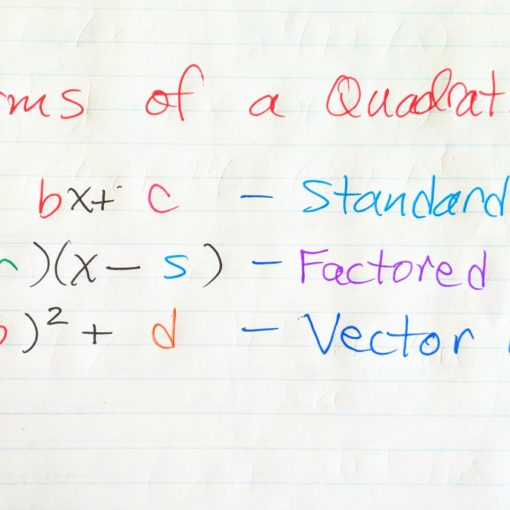
A quadratic is a polynomial of degree 2. There are different forms to represent this second degree polynomial: standard form, factored form and vector form. Depending on a particular problem, a different form will be more or less advantageous to use.

Practice finding the tangent to a curve with Raise My Marks math tutoring and exercises, Ottawa, Toronto, Canada, IB math, AP Calculus.
Learn what the x-intercept of a function is. Practice locating the x-intercept.
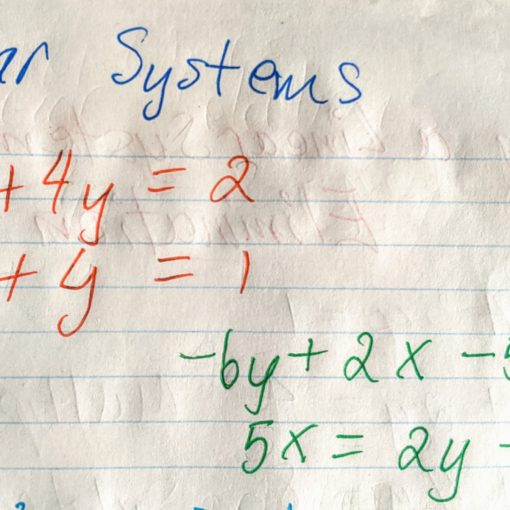
What is a linear system of equation? And how do you solve a linear system of equation? We will answer both of these questions and give you some exercises to practice on.