
The simplest 2-D shape after a line, is a triangle with 3 sides. Depending on the size of the angles or length of the sides of the triangle, we have different types of triangles. Learn about the different types of triangles and practice identifying them using angle size and/or side lengths.
You may also like
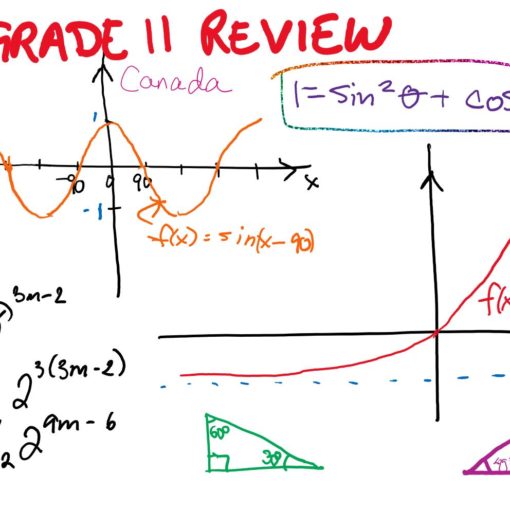
See how you do with the grade 11 curriculum material in Canada with Raise My Marks math tutoring and exercises, Ottawa, Toronto, Canada, IB math, Provincial curriculum, AP calculus, university math and more.

Learn to add and subtract polynomials.
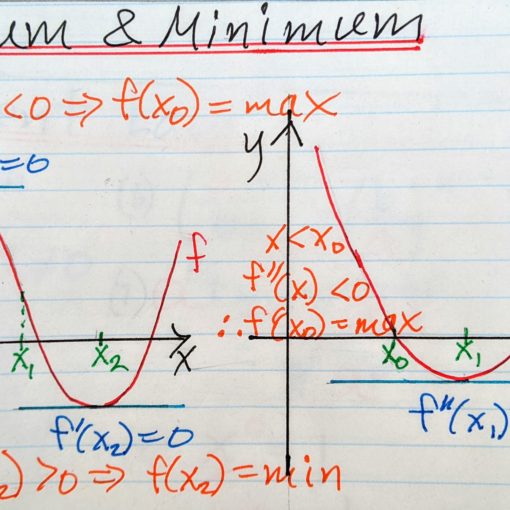
Practice using derivative to find the maximum and minimum values of a function with Raise My Marks math tutoring and exercises, Ottawa, Toronto, Canada, IB math, AP calculus, provincial curriculum, university math and more.
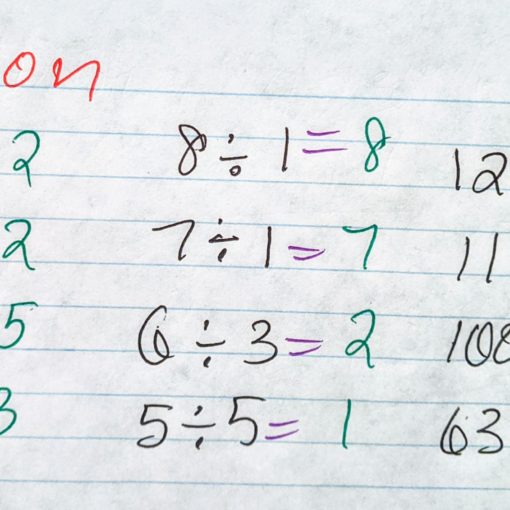
Practice your division with positive whole numbers.